Understanding Menopause Insomnia and How to Get Better Sleep Again
There was a time when falling asleep felt effortless.
You climbed into bed.
Closed your eyes.
And woke up feeling refreshed the next morning.
Now…
You may find yourself lying awake for hours, staring at the ceiling.
Perhaps you finally fall asleep, only to wake up drenched in sweat at 2:30 in the morning.
Maybe your mind begins racing the moment your head hits the pillow.
Or perhaps you wake several times each night and never seem to reach the deep, restful sleep you once took for granted.
If this sounds familiar, you’re far from alone.
Sleep problems are among the most common symptoms women experience during perimenopause and menopause.
In fact, studies estimate that 40–60% of women experience significant sleep disturbances during the menopause transition, making insomnia one of the most frequently reported menopause symptoms.
The frustrating part?
Many women don’t realize their changing hormones may be playing a major role.
Instead, they assume they’re simply getting older.
Working too hard.
Or becoming “bad sleepers.”
The truth is far more reassuring.
For many women, menopause creates a perfect storm of hormonal, physical, and emotional changes that make restorative sleep much more difficult than it used to be.
The good news is that understanding those changes is the first step toward improving them.
Why Does Menopause Affect Sleep?
Sleep is influenced by much more than how tired you feel.
Every night, your brain carefully coordinates hormones, body temperature, stress responses, and circadian rhythms to help you fall asleep and stay asleep.
During menopause, several of those systems begin changing at the same time.
As estrogen and progesterone levels fluctuate and gradually decline, many women begin experiencing:
- Hot flashes
- Night sweats
- Anxiety
- Mood changes
- Increased stress
- Changes in body temperature
- More frequent nighttime waking
Each of these can interrupt sleep on its own.
Combined, they often leave women feeling exhausted before the day even begins.
The result isn’t simply feeling sleepy.
It’s waking up feeling as though your body never truly rested.
Poor Sleep Affects More Than Your Energy
Many women think of poor sleep as an inconvenience.
In reality, sleep influences nearly every system in your body.
Without consistent, restorative sleep, you may notice:
- Lower energy
- Brain fog
- Difficulty concentrating
- Increased hunger
- More food cravings
- Reduced motivation to exercise
- Mood changes
- Increased stress
- Slower recovery after physical activity
This is one reason sleep often becomes the foundation of menopause health.
When sleep improves, many other symptoms begin improving as well.
1. Hot Flashes Can Wake You Repeatedly Throughout the Night
One of the most common reasons women struggle to stay asleep during menopause is nighttime hot flashes.
You may suddenly wake feeling intensely warm.
Your heart may race.
You may find yourself throwing off blankets or changing clothes because you’re drenched in sweat.
Even if you fall asleep again quickly, these repeated awakenings interrupt the deeper stages of sleep your brain needs to recover.
Many women don’t remember every awakening.
They simply know they wake up feeling exhausted.
2. Declining Estrogen Changes Your Sleep Cycle
Estrogen plays a much larger role in sleep than many people realize.
Research suggests estrogen influences:
- Body temperature regulation
- Mood
- Brain chemistry
- Sleep quality
As estrogen levels decline, many women find it harder to fall asleep, stay asleep, or return to sleep after waking during the night.
This helps explain why sleep problems often become more noticeable during perimenopause—even before menstrual periods completely stop.
3. Anxiety Often Becomes Worse at Night
Have you ever noticed your brain suddenly becomes most active the moment your head hits the pillow?
Many women describe lying awake replaying conversations, worrying about tomorrow, or mentally working through problems they barely thought about during the day.
Hormonal changes can increase feelings of anxiety for some women, making it more difficult to relax enough to fall asleep.
The quieter the house becomes…
The louder your thoughts can seem.
This isn’t simply “overthinking.”
For many women, it’s another way menopause can interfere with restorative sleep.
4. Night Sweats Disrupt Deep Sleep
Night sweats are more than simply feeling warm.
They can interrupt your sleep cycle multiple times every night.
Many women report waking because:
- Their pajamas are soaked.
- Their sheets are damp.
- They suddenly feel chilled after sweating.
- They have difficulty falling back asleep.
Repeated interruptions prevent your brain from spending enough time in the deepest stages of sleep where physical recovery, memory consolidation, and hormone regulation occur.
5. Your Body Clock May Begin Changing
Many women notice they become sleepy earlier in the evening but wake much earlier in the morning than they used to.
Others struggle to fall asleep despite feeling exhausted.
These changes may be related to shifts in your circadian rhythm—your body’s internal clock—which can naturally change with age and may be further influenced during menopause.
This doesn’t mean something is wrong.
It simply means your body may need new routines that better support healthy sleep.
Sleep Problems Are Common—But They Aren’t Something You Have to Simply Accept
One of the most common things we hear from women is:
“I just assumed poor sleep was part of getting older.”
It doesn’t have to be.
While menopause certainly increases the likelihood of sleep problems, many women experience meaningful improvements by addressing the underlying causes and building healthier sleep habits.
The encouraging news is that there are practical, science-backed strategies that can help you sleep better—and when sleep improves, so often do your energy, mood, memory, and overall quality of life.
That’s exactly what we’ll explore next.
6. Create a Sleep Routine Your Body Can Depend On
One of the most effective ways to improve sleep during menopause is surprisingly simple: go to bed and wake up at roughly the same time every day.
Your body thrives on routine.
A consistent sleep schedule helps regulate your internal body clock, making it easier to fall asleep naturally and wake feeling refreshed.
Try to establish a relaxing routine during the hour before bed.
This might include:
- Reading a book
- Stretching or gentle yoga
- Listening to calming music
- Practicing deep breathing
- Taking a warm shower
- Drinking a caffeine-free herbal tea
These activities signal to your brain that it’s time to transition from the demands of the day into restorative sleep.
The goal isn’t to create the perfect bedtime routine.
The goal is to create one that you can repeat consistently.
7. Keep Your Bedroom Cool
Many women discover that one of the simplest ways to improve sleep is also one of the most effective.
Because hot flashes and night sweats are often triggered by changes in body temperature, keeping your sleeping environment cool may reduce nighttime awakenings.
Consider:
- Lowering your bedroom temperature
- Using lightweight, breathable bedding
- Wearing moisture-wicking sleepwear
- Keeping a fan nearby
- Using layered blankets that are easy to remove
Small environmental changes can make a surprisingly meaningful difference in sleep quality.
8. Be Mindful of Caffeine and Alcohol
When you’re exhausted, reaching for another cup of coffee can feel like the obvious solution.
Unfortunately, caffeine consumed later in the day can make it much harder to fall asleep at night.
Alcohol presents a different challenge.
Although it may initially make you feel sleepy, alcohol often disrupts the deeper stages of sleep later in the night and may worsen hot flashes or night sweats for some women.
You don’t necessarily need to eliminate either.
Instead, pay attention to how your body responds.
Some women benefit from:
- Limiting caffeine after lunch
- Reducing evening alcohol
- Choosing herbal tea instead of coffee later in the day
Small adjustments often produce noticeable improvements.
9. Move During the Day
Regular physical activity is one of the best long-term investments you can make in your sleep.
Exercise helps:
- Reduce stress
- Improve mood
- Support healthy body temperature regulation
- Improve sleep quality
- Increase overall energy
Walking is an excellent place to start.
Strength training also offers additional benefits by helping preserve muscle, improve metabolism, and support healthy aging.
The key is consistency.
You don’t need exhausting workouts.
Simply moving your body most days of the week can help your body prepare for better sleep at night.
10. Eat to Support Better Sleep
What—and when—you eat may influence how well you sleep.
Large, heavy meals immediately before bed may leave you feeling uncomfortable and make falling asleep more difficult.
Instead, try to:
- Eat balanced meals throughout the day.
- Include protein and fiber at meals.
- Avoid going to bed overly hungry.
- Limit large meals close to bedtime.
Some women also find that reducing highly processed foods and excessive added sugar helps them maintain steadier energy throughout the day and sleep more comfortably at night.
Healthy nutrition supports more than weight management.
It supports healthy sleep as well.
11. Learn to Quiet a Busy Mind
Many women say the hardest part of bedtime isn’t getting comfortable.
It’s getting their thoughts to slow down.
As the house becomes quiet, your mind may begin replaying conversations, planning tomorrow’s schedule, or worrying about things outside your control.
This is incredibly common during menopause.
Rather than trying to force yourself to stop thinking, focus on creating a calming transition into sleep.
Helpful strategies include:
- Writing tomorrow’s to-do list before bed
- Journaling for five minutes
- Practicing mindfulness or meditation
- Slow breathing exercises
- Listening to calming audio
Giving your mind permission to slow down often makes falling asleep easier than trying to “force” sleep to happen.
12. Don’t Ignore Persistent Sleep Problems
While occasional restless nights are normal, chronic insomnia deserves attention.
If you’re consistently struggling to fall asleep, waking multiple times each night, or feeling exhausted despite spending enough time in bed, speak with your healthcare provider.
Persistent sleep problems may be related to:
- Sleep apnea
- Restless leg syndrome
- Anxiety
- Depression
- Thyroid disorders
- Medication side effects
- Severe menopause symptoms
Treating an underlying condition can dramatically improve both your sleep and your overall quality of life.
Better Days Often Begin With Better Nights
It’s easy to underestimate how much poor sleep affects the rest of your life.
When you consistently sleep well, you often notice improvements in areas you didn’t even realize were connected.
You may begin experiencing:
- More energy
- Better concentration
- Improved memory
- Fewer cravings
- Better mood
- Greater motivation to exercise
- Improved patience
- Better overall wellbeing
Sleep isn’t simply one symptom of menopause.
For many women, it’s the foundation that supports every other aspect of health.
The encouraging news is that you don’t have to change everything at once.
Start with one or two habits.
Build consistency.
Allow your body time to respond.
Small improvements in sleep often create meaningful improvements in how you feel throughout the entire day.
Frequently Asked Questions
Is insomnia a normal part of menopause?
Yes.
Sleep disturbances are among the most common symptoms women experience during perimenopause and menopause. Hormonal changes, hot flashes, night sweats, anxiety, and shifts in your body’s internal clock can all contribute to difficulty falling asleep or staying asleep.
While common, poor sleep shouldn’t simply be accepted as something you have to live with.
Why do I wake up at 3 a.m. every night?
Many women notice they consistently wake during the early morning hours during menopause.
This may be related to hot flashes, hormonal changes, stress, anxiety, changes in your circadian rhythm, or other medical conditions affecting sleep.
If frequent waking becomes persistent or significantly impacts your daily life, it’s worth discussing with your healthcare provider.
Can menopause really cause insomnia?
Yes.
Declining estrogen and progesterone can affect body temperature regulation, mood, and sleep quality, making insomnia much more common during menopause.
Many women experience improvements as they develop healthier sleep habits or receive treatment for symptoms contributing to poor sleep.
Should I take sleeping pills?
Sleep medications may be appropriate for some women, but they are not the right solution for everyone.
It’s important to speak with your healthcare provider about the benefits, risks, and possible alternatives before starting any medication for insomnia.
Addressing the underlying causes of poor sleep often provides longer-lasting results than simply treating the symptom.
How long does menopause insomnia last?
Every woman’s experience is different.
Some women notice sleep improves as hormone levels stabilize after menopause, while others continue to experience sleep challenges.
The encouraging news is that healthy lifestyle habits, symptom management, and appropriate medical care can often lead to meaningful improvements.
Key Takeaways
If there’s one thing we hope you remember, it’s this:
Poor sleep is not simply an inconvenience.
It affects nearly every aspect of your health.
When sleep suffers, you may also experience:
- More fatigue
- Brain fog
- Increased food cravings
- Weight gain
- Mood changes
- Lower motivation
- Reduced quality of life
The good news is that improving your sleep often creates a ripple effect throughout the rest of your health.
Many women discover that as they begin sleeping better, they also feel more energetic, think more clearly, move more during the day, and find it easier to make healthier choices.
That’s why sleep isn’t just another menopause symptom.
For many women, it’s the foundation that supports everything else.
Your Next Step Toward Better Sleep
If you’ve been struggling to fall asleep, waking throughout the night, or feeling exhausted every morning, you don’t need another article telling you to “just get more sleep.”
You need a practical plan.
One that helps you take small, manageable steps without feeling overwhelmed.
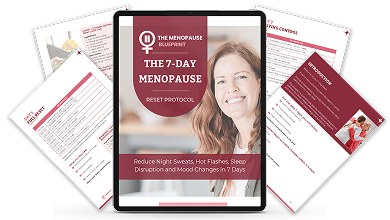
That’s exactly why we created the FREE 7-Day Menopause Reset.
Instead of asking you to completely change your lifestyle overnight, we’ve organized the essentials into a simple seven-day plan that helps you begin improving the habits that matter most.
Inside you’ll receive:
✔ A menopause-friendly nutrition guide
✔ Simple daily movement recommendations
✔ Hydration and wellness checklists
✔ Daily symptom trackers
✔ Practical habits that support better sleep, more energy, improved focus, and long-term health
The goal isn’t perfection.
The goal is helping you wake up one week from now feeling like you’ve finally started moving in the right direction.
Because better sleep doesn’t happen by accident.
It happens by building better habits—one day at a time.
Ready to Go Beyond Better Sleep?
The FREE 7-Day Menopause Reset is the perfect place to begin.
But menopause is about much more than sleep.
Your hormones influence your energy, weight, mood, memory, nutrition, and overall health.
Understanding how those pieces fit together can make every decision feel less confusing.
That’s exactly why we created The Menopause Roadmap.
Think of it as your complete guide to understanding menopause—not just one symptom at a time, but the entire journey.
Inside you’ll learn:
- Why your hormones are changing
- The science behind your most common symptoms
- Nutrition strategies designed specifically for women in midlife
- Exercise recommendations that support your changing body
- Practical lifestyle habits that help you feel healthier, stronger, and more confident
Instead of searching dozens of websites for answers…
You’ll have one trusted resource that brings everything together.
Better Sleep Is Just the Beginning
Imagine waking up after a full night’s sleep.
Your mind feels clear.
Your energy is back.
You don’t need three cups of coffee just to get through the morning.
You’re thinking more clearly at work.
You have the motivation to exercise again.
You have the patience to enjoy time with your family.
You feel like you again.
That future isn’t built overnight.
It’s built one healthy habit at a time.
That’s why we encourage every woman to begin with our FREE 7-Day Menopause Reset.
It’s a simple first step that helps you replace confusion with confidence and information with action.
And when you’re ready to fully understand what’s happening inside your body and build a long-term strategy for navigating menopause, explore The Menopause Roadmap.
Because the best nights of sleep don’t begin when your head hits the pillow.
They begin with understanding your body—and giving it the support it deserves.