Have you ever walked into a room and forgotten why you were there?
Lost your train of thought in the middle of a conversation?
Forgotten someone’s name—even someone you’ve known for years?
Or struggled to concentrate on tasks that once felt effortless?
If so, you’re not alone.
For many women, one of the most unsettling symptoms of menopause isn’t a hot flash or a sleepless night.
It’s feeling like their mind simply isn’t working the way it used to.
Many women describe it as feeling:
“Foggy.”
Others say:
“I know the information is there—I just can’t seem to find it.”
Some begin worrying they’re developing early dementia or Alzheimer’s disease.
Others question whether stress, aging, or something more serious is happening.
The reassuring news is this:
Brain fog is one of the most common cognitive symptoms experienced during perimenopause and menopause, and for most women, it is temporary.
That doesn’t mean it isn’t frustrating.
Or real.
It absolutely is.
But understanding why brain fog happens can remove much of the fear that surrounds it and help you take practical steps toward improving your mental clarity.
What Is Menopause Brain Fog?
“Brain fog” isn’t a formal medical diagnosis.
Instead, it’s a term used to describe a collection of cognitive symptoms that many women experience during menopause.
These symptoms often include:
- Forgetfulness
- Difficulty concentrating
- Trouble finding the right words
- Feeling mentally slower than usual
- Difficulty multitasking
- Reduced focus
- Losing your train of thought
- Feeling mentally exhausted
For many women, these symptoms appear gradually.
You may first notice yourself rereading emails several times.
Forgetting appointments.
Misplacing your keys more often.
Or struggling to recall information that once came easily.
These changes can be frustrating—but they’re also incredibly common.
Research suggests that up to two-thirds of women report cognitive changes during the menopause transition, with memory and attention being among the most frequently affected areas.
Why Does Menopause Affect Your Brain?
Many people think of estrogen as a reproductive hormone.
In reality, estrogen plays an important role throughout the entire body—including the brain.
Estrogen helps support communication between brain cells and influences areas involved in:
- Learning
- Memory
- Attention
- Language
- Mood
As estrogen levels fluctuate during perimenopause and eventually decline after menopause, many women notice temporary changes in these cognitive functions.
Importantly, this does not mean your brain is permanently damaged.
It means your brain is adapting to significant hormonal changes.
For many women, symptoms gradually improve as hormone levels stabilize.
Brain Fog Isn’t Caused by Hormones Alone
Hormonal changes are only one piece of the puzzle.
Brain fog often develops because several factors begin occurring at the same time.
These may include:
- Poor sleep
- Night sweats
- Fatigue
- Anxiety
- Increased stress
- Reduced physical activity
- Mood changes
- Hormonal fluctuations
Think of brain fog like trying to drive through heavy fog on a road you’ve driven hundreds of times.
The road hasn’t disappeared.
It’s simply harder to see clearly.
That’s exactly how many women describe menopause brain fog.
Your intelligence hasn’t changed.
Your brain is simply working under different conditions.
1. Poor Sleep Affects Memory
One of the biggest contributors to brain fog is poor-quality sleep.
Sleep is when your brain performs many of its most important maintenance functions.
During healthy sleep, your brain:
- Consolidates memories
- Processes information
- Removes metabolic waste
- Restores attention and concentration
When menopause symptoms repeatedly interrupt sleep, it’s much harder for your brain to perform these tasks effectively.
Many women who improve their sleep also notice significant improvements in memory and concentration.
2. Chronic Stress Can Cloud Your Thinking
Stress affects much more than your mood.
When you’re under constant stress, it becomes harder to:
- Focus
- Remember information
- Solve problems
- Make decisions
- Stay mentally organized
Many women experiencing menopause are also navigating demanding careers, caring for aging parents, supporting children, and managing countless daily responsibilities.
It’s no surprise that mental overload often contributes to the feeling of brain fog.
3. Fatigue Makes Your Brain Work Harder
Mental energy and physical energy are closely connected.
When your body feels exhausted, your brain often struggles to perform at its best.
Tasks that once required little effort suddenly demand far more concentration.
Simple decisions feel overwhelming.
Finding the right words becomes more difficult.
This doesn’t mean you’re losing your intelligence.
It means your brain has fewer resources available because it’s operating while physically fatigued.
You’re Not Losing Your Mind
Perhaps the greatest fear many women have is that menopause brain fog is the beginning of dementia.
Fortunately, that’s usually not the case.
While normal aging can bring subtle changes in memory, menopause-related brain fog is generally characterized by temporary difficulties with attention, concentration, and word finding—not the progressive cognitive decline seen in dementia.
That distinction is incredibly important.
The frustrating symptoms you’re experiencing are real.
But for most women, they improve with time and by addressing the factors that contribute to them.
The goal isn’t to panic.
The goal is to understand what’s happening—and learn how to support your brain through the transition.
4. Improve Your Sleep to Improve Your Thinking
If there is one place to start when addressing menopause brain fog, it’s your sleep.
Your brain performs some of its most important work while you sleep.
During deep sleep, your brain:
- Consolidates memories
- Organizes new information
- Strengthens learning
- Clears metabolic waste
- Restores attention and focus
Unfortunately, menopause often disrupts this process.
Hot flashes, night sweats, insomnia, and frequent waking can prevent you from getting the restorative sleep your brain needs to function at its best.
Even if you spend eight hours in bed, poor-quality sleep can leave your brain feeling as though it never fully recharged.
Improving your sleep won’t eliminate brain fog overnight, but many women notice significant improvements in concentration, memory, and mental clarity once they’re consistently getting better rest.
Simple habits that can help include:
- Going to bed at the same time each night
- Keeping your bedroom cool and dark
- Limiting caffeine later in the day
- Avoiding screens before bedtime
- Creating a relaxing evening routine
Sometimes the best way to sharpen your mind is to help your brain recover.
5. Keep Your Brain Active
Your brain thrives when it’s challenged.
Just like muscles become stronger with regular exercise, your brain benefits from activities that encourage learning, problem-solving, and memory.
Simple ways to keep your mind engaged include:
- Reading books
- Learning a new hobby
- Crossword puzzles
- Sudoku
- Playing a musical instrument
- Learning a new language
- Having meaningful conversations
- Trying something you’ve never done before
The goal isn’t to “train away” brain fog.
The goal is to keep your brain active and adaptable while supporting its natural ability to learn and recover.
6. Exercise Is One of the Best Things You Can Do for Your Brain
When people think about exercise, they usually think about heart health or weight loss.
But movement is equally important for brain health.
Regular physical activity helps improve:
- Blood flow to the brain
- Memory
- Attention
- Mood
- Sleep quality
- Stress management
Walking is an excellent place to begin.
Strength training also appears to benefit cognitive function while helping preserve muscle during menopause.
You don’t need long or intense workouts.
Even consistent daily movement can improve both physical and mental wellbeing.
Many women report that they feel mentally sharper after a walk than after another cup of coffee.
7. Eat Foods That Support Brain Health
Your brain uses approximately 20% of your body’s daily energy despite representing only a small percentage of your body weight.
What you eat influences how well your brain functions.
Rather than searching for one “brain food,” focus on building meals around nutrient-rich foods that support overall health.
These include:
- Fatty fish like salmon and sardines
- Leafy green vegetables
- Berries
- Nuts
- Seeds
- Olive oil
- Beans
- Whole grains
- Eggs
These foods provide nutrients that support healthy brain function while also benefiting your heart, muscles, and overall wellbeing.
Equally important is limiting highly processed foods that often leave you feeling sluggish or experiencing dramatic energy crashes.
8. Learn to Manage Stress
Stress and brain fog often reinforce one another.
The more stressed you feel, the harder it becomes to concentrate.
The harder it becomes to concentrate, the more frustrated you become.
Breaking that cycle is important.
Healthy stress-management practices may include:
- Deep breathing
- Meditation
- Prayer
- Yoga
- Journaling
- Spending time outdoors
- Connecting with friends and family
Even ten minutes of intentional relaxation each day can help reduce mental overload.
You don’t have to eliminate stress completely.
You simply need healthy ways to recover from it.
9. Stay Social
One of the most overlooked ways to support brain health is maintaining meaningful social connections.
Conversation challenges your memory.
It exercises language.
It encourages attention and problem-solving.
And perhaps most importantly, it supports emotional wellbeing.
Whether it’s meeting a friend for coffee, joining a walking group, volunteering, or spending time with family, staying socially connected benefits both your brain and your overall quality of life.
10. Know When to Speak With Your Doctor
Although menopause brain fog is common, persistent or worsening cognitive symptoms should always be discussed with your healthcare provider.
Brain fog may sometimes be related to other conditions, including:
- Thyroid disorders
- Vitamin B12 deficiency
- Iron deficiency
- Sleep apnea
- Depression
- Anxiety
- Medication side effects
Your healthcare provider can help determine whether menopause is the primary cause or whether another condition should be evaluated.
Seeking help isn’t a sign that something is seriously wrong.
It’s part of taking good care of your health.
Mental Clarity Returns One Habit at a Time
One of the biggest mistakes women make is expecting brain fog to disappear after making one change.
In reality, your brain responds to the combined effects of healthy habits.
Better sleep.
Better nutrition.
Regular movement.
Stress management.
Mental stimulation.
Social connection.
Each habit strengthens the others.
As your sleep improves, your energy improves.
As your energy improves, you’re more likely to exercise.
As you exercise, your mood and sleep often improve.
Over time, these small improvements begin working together to help restore the mental clarity you’ve been missing.
The goal isn’t perfection.
It’s giving your brain the environment it needs to perform at its best.
Frequently Asked Questions
Is menopause brain fog permanent?
For most women, no.
Brain fog is one of the most common cognitive symptoms during perimenopause and menopause. While it can be frustrating, research suggests that many women notice improvements over time, particularly as hormone levels stabilize and healthy lifestyle habits improve.
If your memory problems become severe, progressively worsen, or interfere significantly with daily life, it’s important to discuss them with your healthcare provider.
Is menopause brain fog the same as dementia?
No.
Although the symptoms can feel frightening, menopause brain fog is very different from dementia.
Brain fog typically involves temporary problems with concentration, word-finding, multitasking, and short-term memory.
Dementia involves progressive declines in memory, reasoning, language, and the ability to perform everyday tasks.
If you’re ever concerned about significant memory changes, it’s always appropriate to seek medical evaluation.
Can hormones cause brain fog?
Hormonal changes—particularly fluctuating and declining estrogen—are believed to play an important role.
However, hormones are usually only one piece of the puzzle.
Poor sleep, stress, anxiety, fatigue, reduced physical activity, and other health conditions can all contribute to cognitive symptoms during menopause.
Can brain fog improve naturally?
Yes.
Many women notice gradual improvements by addressing the factors that contribute to brain fog, including:
- Better sleep
- Regular exercise
- Nutritious eating
- Stress management
- Mental stimulation
- Staying socially connected
Improvement often happens gradually rather than overnight.
When should I talk to my doctor?
You should speak with your healthcare provider if:
- Brain fog becomes progressively worse.
- You have significant difficulty completing everyday tasks.
- Your symptoms are accompanied by severe headaches, vision changes, weakness, or confusion.
- You’re concerned your symptoms may be related to another medical condition.
Your healthcare provider can help determine whether menopause is the most likely cause or whether additional evaluation is appropriate.
Key Takeaways
If there’s one thing we hope you remember, it’s this:
You are not losing your intelligence.
You are navigating one of the most significant hormonal transitions of your life.
The forgetfulness.
The difficulty concentrating.
The moments where the right word seems impossible to find.
They’re real.
But for most women, they are also temporary.
Your brain isn’t broken.
It simply needs support.
By improving your sleep, nourishing your body, staying active, managing stress, and giving yourself patience during this transition, you can help create the conditions your brain needs to function at its best again.
Progress won’t happen overnight.
But it does happen.
And every small habit you build today becomes an investment in your future brain health.
Stop Guessing. Start Understanding.
If you’ve spent weeks—or even months—trying to figure out why your body and mind suddenly feel different, you’re not alone.
Most women piece together information from dozens of websites, social media posts, podcasts, and well-meaning friends.
The problem?
Much of that advice is incomplete, contradictory, or simply overwhelming.
You deserve something better.
You deserve a clear place to begin.
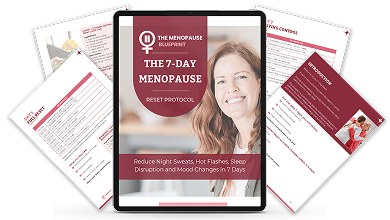
That’s exactly why we created the FREE 7-Day Menopause Reset.
Instead of giving you more information to sort through, we’ve organized the fundamentals into a practical, step-by-step guide designed to help you start making meaningful progress immediately.
Inside, you’ll receive:
✔ A simple menopause-friendly nutrition plan
✔ Easy daily movement recommendations
✔ Hydration and wellness checklists
✔ Daily symptom trackers
✔ Practical habits that support better energy, clearer thinking, healthier sleep, and long-term wellbeing
The goal isn’t to transform your life in seven days.
The goal is to help you stop feeling overwhelmed and start building momentum.
Sometimes the hardest part isn’t knowing what to do.
It’s knowing where to begin.
The 7-Day Menopause Reset gives you that starting point.
Ready to Take the Next Step?
The FREE 7-Day Menopause Reset is designed to help you build your foundation.
But if you’re ready to go beyond the basics and truly understand what’s happening inside your body, the next step is The Menopause Roadmap.
Think of it as your complete guide to navigating menopause with confidence.
Inside, you’ll discover:
- Why your hormones are changing and how they affect every system in your body
- The science behind symptoms like brain fog, fatigue, weight gain, hot flashes, poor sleep, and mood changes
- Practical nutrition strategies that support long-term health
- Exercise recommendations tailored specifically for women in midlife
- Sustainable lifestyle habits that help you feel stronger, healthier, and more like yourself again
You don’t have to keep searching for answers one symptom at a time.
You can finally understand the bigger picture.
Your Menopause Journey Doesn’t End Here
Menopause isn’t something you simply “get through.”
It’s a new chapter of life.
And like any journey, it’s easier when you have a trusted guide.
Whether you’re struggling with brain fog, fatigue, weight gain, sleep problems, or simply wondering why your body feels different, remember this:
You’re not alone.
Millions of women are asking the very same questions.
The difference is that today, you have a place to start.
Download your FREE 7-Day Menopause Reset and begin taking small, meaningful steps toward feeling healthier, stronger, and more confident.
And when you’re ready to stop guessing altogether, explore The Menopause Roadmap—our comprehensive, science-informed guide designed to help you understand your body, navigate every stage of menopause, and create a long-term plan for your health.
Because the moment you stop wondering “What’s happening to me?” and start understanding why, you gain something far more valuable than information.
You gain confidence.
And confidence is often the first step toward feeling like yourself again.