Protecting Your Heart, Bones, Brain, and Future
For many women, menopause begins with symptoms they can feel.
Hot flashes.
Poor sleep.
Brain fog.
Weight gain.
Fatigue.
Anxiety.
These symptoms often become the focus of daily life because they’re immediate, frustrating, and impossible to ignore.
But beneath the surface, something else is happening.
Menopause doesn’t just change how you feel today.
It also begins changing how your body ages over the decades ahead.
That may sound intimidating.
Fortunately, it’s also incredibly empowering.
Because while you can’t stop menopause from happening, you can take meaningful steps to protect your long-term health.
In fact, many healthcare professionals now view menopause as one of the most important opportunities for women to invest in the future of their health.
The choices you make during your forties, fifties, and sixties influence far more than today’s symptoms.
They help shape your:
- Heart health
- Bone strength
- Brain function
- Muscle mass
- Mobility
- Independence
- Overall quality of life
The encouraging news is this:
It is never too late to begin building healthier habits.
Small, consistent choices made today can have an enormous impact on how you feel ten, twenty, or even thirty years from now.
Menopause Is the Beginning of a New Chapter
Many women think of menopause as an ending.
The end of menstrual periods.
The end of fertility.
The end of youth.
We believe that’s the wrong way to look at it.
Menopause is the beginning of a new chapter.
One where your health deserves to become a priority.
For decades, many women spend their lives caring for everyone else.
Children.
Partners.
Parents.
Careers.
Communities.
Menopause often becomes the first time many women finally begin asking:
“What does my body need now?”
That question changes everything.
Because once you begin focusing on long-term health instead of simply managing symptoms, your daily decisions become investments in your future.
Why Long-Term Health Matters More After Menopause
Estrogen influences far more than reproduction.
It also helps support:
- Bone strength
- Heart health
- Healthy blood vessels
- Muscle maintenance
- Brain function
As estrogen gradually declines, natural changes begin occurring throughout the body.
Some are immediately noticeable.
Others happen slowly over many years.
That’s why healthcare providers encourage women to think beyond today’s symptoms and begin focusing on lifelong health.
The earlier healthy habits become part of your routine, the greater their long-term impact.
Your Health Is Built One Habit at a Time
One of the biggest misconceptions about healthy aging is that it requires dramatic changes.
It doesn’t.
Healthy aging is rarely the result of one major decision.
Instead, it’s built through thousands of small choices repeated over time.
Choosing to go for a walk.
Preparing a nutritious meal.
Getting enough sleep.
Building muscle.
Managing stress.
Keeping regular medical appointments.
Those habits may seem ordinary today.
But over years, they become extraordinary.
Healthy aging isn’t about trying to avoid getting older.
It’s about giving yourself the best opportunity to remain strong, active, and independent throughout the years ahead.
1. Protecting Your Heart
Many women are surprised to learn that heart disease is the leading cause of death for women, and the risk increases after menopause.
Estrogen helps support healthy blood vessels and influences cholesterol levels.
As estrogen declines, women may experience gradual changes in:
- Cholesterol
- Blood pressure
- Body fat distribution
- Blood sugar regulation
These changes don’t mean heart disease is inevitable.
They simply make heart-healthy habits even more important.
Supporting your heart includes:
- Regular physical activity
- Nutritious eating
- Maintaining a healthy weight
- Not smoking
- Managing blood pressure
- Monitoring cholesterol
- Keeping regular medical checkups
Your heart will continue working for you every second of every day.
Taking care of it is one of the greatest investments you can make.
2. Protecting Your Bones
Bone health often doesn’t receive much attention until something goes wrong.
Yet menopause is one of the most important times to begin protecting your bones.
Estrogen plays a major role in maintaining bone density.
As estrogen declines, bones naturally become thinner over time.
Without healthy habits, this increases the risk of:
- Osteopenia
- Osteoporosis
- Bone fractures
- Reduced mobility
Fortunately, bones respond remarkably well to positive lifestyle choices.
Strength training, adequate calcium, sufficient vitamin D, and regular weight-bearing activity all help support healthy bones throughout life.
The goal isn’t simply avoiding fractures.
It’s preserving the freedom to continue doing the things you love.
3. Protecting Your Brain
Many women first notice changes in memory or concentration during menopause.
While temporary brain fog is common, your brain continues benefiting from healthy lifestyle habits throughout life.
Supporting brain health includes:
- Regular physical activity
- Nutritious eating
- Quality sleep
- Mental stimulation
- Social connection
- Managing blood pressure
- Managing diabetes risk
Just like your muscles, your brain responds positively to being challenged, nourished, and cared for.
Healthy aging isn’t just about adding years to life.
It’s about protecting your quality of life.
4. Protecting Your Muscles
Beginning in midlife, maintaining muscle becomes one of the most important things you can do for healthy aging.
Muscle supports:
- Strength
- Balance
- Mobility
- Metabolism
- Independence
The encouraging news is that your muscles continue responding to strength training well into later life.
It’s never too late to become stronger.
Many women actually become stronger in their fifties and sixties than they were in their forties simply because they begin strength training consistently.
That’s incredibly encouraging.
Because it reminds us that aging doesn’t automatically mean becoming weaker.
Menopause Can Become a Turning Point
Many women initially see menopause as something happening to them.
Eventually…
Many begin seeing it as something that happened for them.
It becomes the moment they finally begin prioritizing:
Their health.
Their strength.
Their sleep.
Their nutrition.
Their future.
That mindset shift may be one of the greatest gifts menopause offers.
Instead of constantly reacting to symptoms…
You begin intentionally building the healthiest version of yourself.
And that’s exactly where we’ll continue next.
Because understanding what changes is important.
But understanding how to protect your future is even more powerful.
5. Move Your Body Every Day
One of the greatest gifts you can give your future self is movement.
Exercise isn’t simply about maintaining a healthy weight.
It’s one of the most powerful ways to protect nearly every major system in your body as you age.
Regular physical activity helps support:
- Heart health
- Bone density
- Muscle strength
- Balance
- Brain function
- Mood
- Blood sugar regulation
- Healthy cholesterol levels
The encouraging news is that you don’t need extreme workouts to experience these benefits.
Walking.
Strength training.
Swimming.
Cycling.
Gardening.
Yoga.
Dancing.
Every movement counts.
The goal isn’t perfection.
The goal is making movement part of your daily life.
Remember:
You’re not exercising to look younger.
You’re exercising so you can continue doing the things you love for decades to come.
6. Eat to Support Healthy Aging
The foods you choose every day become the building blocks your body uses to repair, strengthen, and protect itself.
During menopause, nutritious eating supports:
- Strong bones
- Healthy muscles
- Heart health
- Brain function
- Stable energy
- Healthy weight
- Reduced inflammation
Instead of chasing restrictive diets, focus on consistently including:
- Lean protein
- Vegetables
- Fruit
- Whole grains
- Healthy fats
- Beans and legumes
- Calcium-rich foods
- Foods rich in Vitamin D
Healthy eating isn’t about avoiding every treat.
It’s about giving your body what it needs most often.
Small improvements made consistently will always outperform short-term diets.
7. Prioritize Sleep Like It’s Medicine
Sleep becomes one of the most important forms of recovery during menopause.
While you sleep, your body works to:
- Repair muscles
- Support brain function
- Regulate hormones
- Strengthen your immune system
- Consolidate memories
Unfortunately, menopause often makes quality sleep more difficult.
That’s why improving your sleep isn’t simply about feeling less tired.
It’s about protecting your long-term health.
Better sleep supports:
- Better mood
- Better memory
- Better heart health
- Better metabolism
- Better immune function
- Better quality of life
Never underestimate the power of a good night’s sleep.
8. Keep Your Mind Active
Just like muscles become stronger when challenged, your brain benefits from regular stimulation.
Healthy brain habits include:
- Reading
- Learning new skills
- Solving puzzles
- Playing games
- Learning a language
- Taking classes
- Meaningful conversations
- Staying curious
Your brain continues adapting throughout life.
Keeping it active helps support memory, learning, and cognitive health well into older adulthood.
9. Stay Connected
Healthy aging isn’t only about nutrition and exercise.
Relationships matter too.
Studies consistently show that strong social connections are associated with better physical health, emotional wellbeing, and overall quality of life.
Spend time with:
- Family
- Friends
- Community groups
- Volunteer organizations
- Faith communities
Human connection is one of the healthiest habits you can build.
Never underestimate the value of laughter, meaningful conversations, and feeling connected to others.
10. Make Preventive Healthcare a Priority
One of the biggest advantages of menopause is that it often becomes the perfect time to become proactive about your health.
Regular medical care helps identify potential problems early—often before symptoms develop.
Talk with your healthcare provider about recommended screenings, which may include:
- Blood pressure
- Cholesterol
- Blood sugar
- Bone density testing
- Breast cancer screening
- Cervical cancer screening
- Colon cancer screening
- Vaccinations appropriate for your age
Preventive care isn’t about expecting something to be wrong.
It’s about giving yourself the best opportunity to stay healthy.
Healthy Aging Isn’t About Looking Younger
Many advertisements promise to help women “fight aging.”
We don’t believe aging is something you need to fight.
Aging is a privilege.
The goal isn’t looking twenty-five forever.
The goal is feeling healthy enough to enjoy every stage of life.
Healthy aging means:
Walking without pain.
Playing with grandchildren.
Traveling confidently.
Sleeping well.
Thinking clearly.
Remaining independent.
Feeling strong.
Those are the things that truly matter.
Think Beyond Today’s Symptoms
It’s easy to focus on today’s challenges.
The hot flashes.
The poor sleep.
The fatigue.
The weight gain.
But menopause also offers something incredibly valuable.
An opportunity.
An opportunity to begin building habits that will benefit you for the next thirty years.
Every healthy decision you make today becomes an investment in your future.
Not just for tomorrow.
But for the woman you’ll become in your sixties, seventies, and beyond.
That’s a powerful way to think about health.
You Are Building the Future You
One healthy meal.
One walk.
One strength workout.
One good night’s sleep.
One medical checkup.
One glass of water.
One less stressful day.
None of these choices seem dramatic by themselves.
But together, they shape your future.
Healthy aging isn’t created by one perfect decision.
It’s created by thousands of small decisions made consistently over time.
And that’s exactly where we’ll finish this guide.
Frequently Asked Questions
Does menopause increase my risk of heart disease?
Yes.
After menopause, a woman’s risk of heart disease gradually increases as estrogen levels decline.
This doesn’t mean heart disease is inevitable.
Regular exercise, nutritious eating, maintaining a healthy weight, managing blood pressure and cholesterol, avoiding smoking, and keeping regular medical appointments can all help support long-term heart health.
Why is bone health so important after menopause?
Estrogen helps maintain healthy bones.
As estrogen declines, bone loss naturally accelerates, increasing the risk of osteopenia and osteoporosis.
Strength training, weight-bearing exercise, adequate calcium, vitamin D, and regular bone density screenings can all help support healthy bones throughout life.
Can I still build muscle after menopause?
Absolutely.
Although building muscle may take more time than it did earlier in life, research consistently shows that women continue responding to resistance training well into their sixties, seventies, and beyond.
It’s never too late to become stronger.
Is it too late to improve my health after menopause?
Not at all.
Whether you’re entering perimenopause or you’ve been postmenopausal for years, your body continues responding to healthy habits.
Every positive change you make today benefits your future health.
The best time to start was years ago.
The second-best time is today.
What is the single most important thing I can do?
There isn’t one perfect habit.
Healthy aging comes from combining several healthy behaviors consistently.
Nutritious eating.
Regular movement.
Strength training.
Quality sleep.
Stress management.
Preventive healthcare.
These habits work together to support your health over the long term.
Key Takeaways
If there’s one message we hope you take away from this guide, it’s this:
Menopause is not the end of your health journey.
It’s the beginning of a new one.
Yes, your body is changing.
But those changes also create an opportunity.
An opportunity to become more intentional about how you care for yourself.
To prioritize your health.
To build strength.
To nourish your body.
To protect your heart.
To strengthen your bones.
To invest in the woman you’ll become over the next twenty or thirty years.
Healthy aging doesn’t happen by accident.
It happens through small decisions repeated consistently over time.
Every healthy choice matters.
Every walk.
Every nutritious meal.
Every strength workout.
Every good night’s sleep.
Every medical checkup.
Those choices become the foundation of the life you’ll continue building long after menopause has passed.
Your Health Story Is Still Being Written
One of the greatest misconceptions about menopause is that it represents a decline.
We see it differently.
We believe menopause can become one of the most empowering chapters of a woman’s life.
Why?
Because for many women, it’s the moment they finally begin prioritizing themselves.
Not out of vanity.
Out of wisdom.
They begin strength training.
They improve their nutrition.
They learn to manage stress.
They make sleep a priority.
They schedule preventive screenings.
They become proactive rather than reactive.
In many ways, menopause becomes the beginning of their healthiest chapter—not the end of it.
Where Do You Go From Here?
By now you’ve learned something important.
Every symptom you’ve experienced…
Every change you’ve noticed…
Every question you’ve asked…
They’re all connected.
Your hormones.
Your nutrition.
Your sleep.
Your exercise.
Your stress.
Your long-term health.
They all influence one another.
And that’s exactly why trying to solve one symptom at a time often feels frustrating.
You don’t need another quick fix.
You need a roadmap.
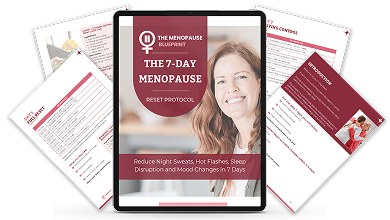
Start with the FREE 7-Day Menopause Reset
If you’re wondering where to begin, we recommend starting with one simple step.
Our FREE 7-Day Menopause Reset was created to help women stop feeling overwhelmed and start building healthier habits immediately.
Inside you’ll receive:
✔ A practical menopause-friendly nutrition plan
✔ Easy daily movement recommendations
✔ Hydration and wellness checklists
✔ Daily symptom trackers
✔ Simple daily habits that support better energy, healthier sleep, improved mood, and long-term wellbeing
It isn’t designed to completely change your life in seven days.
It’s designed to help you build momentum.
Because momentum creates confidence.
And confidence creates lasting change.
When You’re Ready for the Complete Blueprint
The FREE 7-Day Menopause Reset is the perfect place to begin.
But if you’re ready to fully understand your body and build a long-term strategy for navigating menopause with confidence, we invite you to explore The Menopause Roadmap.
Think of it as your complete guide to understanding every stage of menopause.
Inside you’ll discover:
- Why your hormones are changing
- The science behind your symptoms
- Nutrition strategies tailored specifically for women in midlife
- Exercise plans that help protect your muscles, bones, and heart
- Sleep strategies that improve recovery and energy
- Lifestyle habits that support healthy aging for decades to come
Instead of piecing together advice from dozens of websites…
You’ll have one trusted, evidence-informed guide that brings everything together in one place.
Your Best Years Are Not Behind You
If there’s one belief we’d love every woman to leave with after reading this article, it’s this:
Menopause does not mark the end of your healthiest years.
It can mark the beginning of your most intentional ones.
The decisions you make today will shape the woman you become tomorrow.
Not through perfection.
Through consistency.
One meal.
One walk.
One strength workout.
One good night’s sleep.
One healthy habit repeated over and over again.
Those choices become the foundation of a stronger body.
A healthier heart.
A sharper mind.
And a future filled with confidence rather than uncertainty.
At The Menopause Blueprint, that’s exactly why we’re here.
Not simply to explain menopause.
But to help you understand your body, build lifelong habits, and create a healthier future.
Start today with the FREE 7-Day Menopause Reset.
Then, when you’re ready to take the next step, continue your journey with The Menopause Roadmap—your complete guide to understanding menopause, supporting your health, and confidently navigating the years ahead.
Because menopause isn’t the end of your story.
It’s the beginning of the strongest, healthiest, and most empowered chapter of your life.