If you’ve noticed yourself feeling anxious for reasons you can’t quite explain, you’re not imagining it.
Perhaps you’ve always considered yourself a calm person.
Now, suddenly, your heart races before meetings.
You wake up feeling nervous for no obvious reason.
Small problems feel much bigger than they used to.
You find yourself worrying constantly about things that never bothered you before.
Or maybe you’ve experienced something even more frightening—a panic attack that seemed to come out of nowhere.
Many women describe it like this:
“I don’t even recognize myself anymore.”
If this sounds familiar, you’re far from alone.
Anxiety is one of the most common—but often least talked about—symptoms of perimenopause and menopause.
Because anxiety is usually associated with stress or mental health conditions, many women don’t immediately realize that changing hormones may also play a role.
Instead, they begin questioning themselves.
“Am I just overwhelmed?”
“Why can’t I relax anymore?”
“Is something seriously wrong with me?”
The reassuring news is this:
For many women, menopause anxiety is a real biological response to the hormonal, physical, and emotional changes occurring during this stage of life.
Understanding why it happens is the first step toward feeling more like yourself again.
What Is Menopause Anxiety?
Menopause anxiety refers to feelings of nervousness, worry, fear, or uneasiness that develop or become more noticeable during the menopause transition.
Every woman’s experience is different.
Some notice a constant feeling of tension.
Others experience racing thoughts.
Some feel unusually emotional.
Others develop panic attacks for the first time in their lives.
Common symptoms include:
- Excessive worrying
- Feeling on edge
- Racing thoughts
- Increased irritability
- Difficulty relaxing
- Feeling overwhelmed
- Trouble concentrating
- Physical tension
- Rapid heartbeat
- Panic attacks
These symptoms can appear gradually or seemingly overnight.
For many women, they occur alongside other menopause symptoms such as:
- Poor sleep
- Brain fog
- Fatigue
- Hot flashes
- Mood changes
That’s because all of these symptoms are closely connected.
Why Does Menopause Cause Anxiety?
The answer is more complex than many people realize.
Hormones don’t directly “cause” anxiety.
Instead, declining estrogen and progesterone influence several systems that help regulate mood, stress, and emotional wellbeing.
Estrogen affects important brain chemicals, including serotonin and dopamine, which play roles in mood, motivation, and emotional regulation.
Progesterone also has calming effects for many women.
As these hormones fluctuate, some women become more sensitive to stress than they were previously.
At the same time, menopause often arrives during one of life’s busiest seasons.
Many women are:
- Building careers
- Raising teenagers
- Caring for aging parents
- Managing changing relationships
- Navigating physical symptoms
- Sleeping poorly
It’s rarely one factor.
It’s many factors working together.
Anxiety Isn’t “Just in Your Head”
One of the hardest parts about menopause anxiety is that many women begin blaming themselves.
They think they’ve become weaker.
More emotional.
Less resilient.
Nothing could be further from the truth.
Your brain and body are adapting to one of the most significant hormonal transitions you’ll ever experience.
That doesn’t mean every anxious feeling is caused by hormones.
But it does mean your emotional health deserves the same attention as your physical health.
Understanding what’s happening removes much of the fear.
And once fear begins to decrease, confidence often begins to grow.
1. Poor Sleep Often Comes First
One of the strongest contributors to menopause anxiety isn’t actually anxiety itself.
It’s sleep.
When you repeatedly wake throughout the night because of hot flashes, night sweats, or insomnia, your brain has fewer resources available to manage stress the following day.
Small challenges begin feeling much larger.
Patience decreases.
Worry increases.
This creates a cycle.
Poor sleep increases anxiety.
Anxiety makes sleep more difficult.
The cycle continues.
Breaking that cycle often begins by improving sleep quality.
2. Stress Feels Different During Menopause
Many women say:
“I’ve always handled stress well. Why can’t I anymore?”
The answer isn’t that you’ve become weaker.
It’s that your body’s stress response may have changed.
Hormonal fluctuations, reduced sleep, physical symptoms, and emotional demands all increase the load your nervous system carries.
Even situations you’ve handled easily for years may suddenly feel overwhelming.
Recognizing this is important because it reminds you that what you’re feeling has a biological component—not just an emotional one.
3. You’re Not Losing Control
Perhaps the greatest fear women have is this:
“Will I always feel this way?”
The answer, for most women, is no.
Menopause anxiety is common.
It’s real.
And for many women, it improves as hormones stabilize and healthy habits begin supporting both body and mind.
The goal isn’t to eliminate every anxious thought.
The goal is to understand what’s happening and learn how to support your nervous system through the transition.
That’s exactly what we’ll explore next.
4. Prioritize Sleep—It’s One of the Most Powerful Anxiety Treatments
One of the strongest connections researchers have identified is the relationship between poor sleep and anxiety.
When your brain doesn’t get enough restorative sleep, it becomes more difficult to regulate emotions, process stress, and recover from the demands of daily life.
Unfortunately, menopause often disrupts sleep through:
- Hot flashes
- Night sweats
- Insomnia
- Frequent waking
- Hormonal changes
The result is a cycle that’s difficult to break.
Poor sleep increases anxiety.
Anxiety makes falling asleep more difficult.
Poor sleep returns the following night.
Breaking that cycle often begins with improving your sleep habits.
Simple changes like maintaining a regular bedtime, keeping your bedroom cool, limiting caffeine later in the day, and creating a relaxing nighttime routine can help your brain recover more effectively.
Sometimes improving anxiety starts with improving the quality of your nights.
5. Move Your Body Every Day
Exercise isn’t just good for your heart and muscles.
It’s one of the most effective natural ways to support your mental wellbeing.
Regular physical activity helps:
- Reduce stress hormones
- Improve mood
- Increase energy
- Improve sleep quality
- Build confidence
- Reduce feelings of tension
You don’t need an intense workout to experience these benefits.
Many women notice improvements in their mood simply by:
- Taking a daily walk
- Practicing yoga
- Swimming
- Cycling
- Strength training
- Gardening
- Dancing
Movement tells your nervous system that you’re safe.
Over time, that can help reduce the constant feeling of being “on edge.”
6. Nourish Your Brain With Consistent Nutrition
When anxiety increases, eating habits often become inconsistent.
Some women skip meals because they lose their appetite.
Others reach for sugary snacks or processed foods for temporary comfort.
Unfortunately, large swings in blood sugar can sometimes leave you feeling even more anxious, irritable, or fatigued.
Instead, aim to build meals around foods that provide steady energy throughout the day.
Focus on:
- Lean protein
- High-fiber carbohydrates
- Healthy fats
- Vegetables
- Fruit
- Whole grains
Balanced meals help provide your brain with a more consistent supply of energy, making it easier to regulate mood and maintain focus.
Think of nutrition as fuel for both your body and your mind.
7. Learn to Calm Your Nervous System
One of the most valuable skills you can develop during menopause is learning how to intentionally calm your nervous system.
When anxiety appears, your body often shifts into “fight or flight” mode.
Your breathing becomes shallow.
Your heart rate increases.
Your muscles tighten.
The good news is that you can begin signaling safety back to your brain.
Simple techniques include:
- Slow diaphragmatic breathing
- Meditation
- Mindfulness
- Gentle stretching
- Prayer
- Journaling
- Spending time in nature
You don’t have to eliminate stress from your life.
You simply need regular opportunities to recover from it.
Even five minutes of intentional relaxation each day can help create noticeable improvements over time.
8. Reduce Information Overload
Many women experiencing menopause spend hours searching online for answers.
One article recommends supplements.
Another recommends fasting.
Another says hormones are the answer.
Another says they’re not.
The result is often even more anxiety.
Knowledge is important.
But constant searching without a clear plan can become overwhelming.
Instead of consuming endless information, focus on finding trusted, evidence-informed resources that explain menopause clearly and help you take practical action.
Replacing confusion with understanding is one of the most powerful ways to reduce uncertainty.
9. Stay Connected
Anxiety often encourages isolation.
You may cancel plans.
Withdraw from friends.
Keep your worries to yourself.
But connection is one of the healthiest things you can do during menopause.
Talking with someone who understands what you’re experiencing can provide reassurance and perspective.
Whether it’s a close friend, family member, support group, counselor, or healthcare professional, you don’t have to navigate menopause alone.
Sharing your experience doesn’t make you weak.
It reminds you that you’re human.
10. Know When to Ask for Help
While anxiety is common during menopause, persistent anxiety should never be ignored.
If anxiety is affecting your:
- Relationships
- Work
- Sleep
- Daily functioning
- Overall quality of life
it’s important to speak with your healthcare provider.
Treatment options may include:
- Lifestyle changes
- Counseling or cognitive behavioral therapy
- Stress-management strategies
- Medication when appropriate
- Menopause treatment options based on your individual situation
Seeking help isn’t admitting defeat.
It’s taking care of your health.
Just as you would seek treatment for high blood pressure or diabetes, you deserve support for your emotional wellbeing.
Your Nervous System Can Heal
One of the most encouraging things about menopause anxiety is that many women experience meaningful improvement once they begin addressing the factors contributing to it.
Better sleep.
Regular movement.
Nutritious food.
Stress management.
Social connection.
Professional support when needed.
Each healthy habit strengthens the next.
As your body begins feeling healthier, your mind often follows.
The goal isn’t to eliminate every anxious thought.
The goal is to create a life where anxiety is no longer controlling your decisions, your confidence, or your happiness.
That journey begins one small step at a time.
Frequently Asked Questions
Is anxiety a normal symptom of menopause?
Yes.
Many women experience increased anxiety during perimenopause and menopause as hormones fluctuate and symptoms such as poor sleep, fatigue, and stress begin affecting daily life.
While anxiety is common, it should never be dismissed. If it begins interfering with your relationships, work, sleep, or overall quality of life, it’s important to speak with your healthcare provider.
Can menopause cause panic attacks?
Yes.
Some women experience their first panic attack during perimenopause or menopause.
A panic attack may include:
- A racing heart
- Shortness of breath
- Chest tightness
- Sweating
- Dizziness
- Feeling like something terrible is about to happen
Although panic attacks can feel frightening, they are treatable. If you’ve experienced symptoms like these, speak with your healthcare provider to determine the most appropriate treatment.
How long does menopause anxiety last?
Every woman is different.
Some women notice anxiety improves as hormone levels stabilize after menopause, while others benefit from lifestyle changes, counseling, or medical treatment.
The encouraging news is that anxiety often becomes much more manageable once its underlying contributors are identified and addressed.
Can exercise really help reduce anxiety?
Absolutely.
Regular physical activity has consistently been shown to improve mood, reduce stress, improve sleep, and support overall mental wellbeing.
Even a daily walk can make a meaningful difference over time.
When should I seek professional help?
You should never feel embarrassed about asking for help.
If anxiety is:
- Affecting your daily life
- Preventing you from enjoying activities
- Causing panic attacks
- Affecting your relationships
- Making it difficult to work or sleep
please speak with your healthcare provider or a qualified mental health professional.
Seeking support is a sign of strength—not weakness.
Key Takeaways
If there’s one thing we hope you remember, it’s this:
You are not “going crazy.”
You’re navigating one of the most significant hormonal transitions your body will ever experience.
The anxiety…
The racing thoughts…
The feeling that you’ve somehow become a different person…
Those experiences are real.
And for many women, they are also temporary.
The important thing is recognizing that menopause affects much more than your reproductive system.
It affects your brain.
Your sleep.
Your stress response.
Your confidence.
Your emotions.
The encouraging news is that by supporting your body through healthy habits—and seeking help when needed—you can begin feeling calmer, stronger, and more like yourself again.
Your First Step Toward Feeling Like Yourself Again
Reading about menopause anxiety can be reassuring.
But understanding why it’s happening is only the beginning.
Real change happens when you begin putting that knowledge into practice.
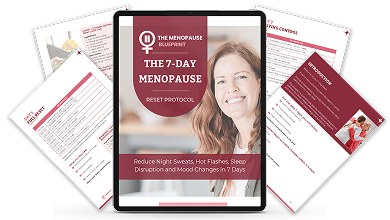
That’s exactly why we created the FREE 7-Day Menopause Reset.
Not because we believe seven days will solve every symptom.
But because we know how overwhelming menopause can feel when you’re trying to figure everything out on your own.
The 7-Day Reset gives you something many women tell us they’ve been searching for:
A simple place to begin.
Inside you’ll receive:
✔ A practical menopause-friendly nutrition plan
✔ Easy daily movement recommendations
✔ Hydration and wellness checklists
✔ Daily symptom trackers
✔ Small daily habits that support better sleep, more stable energy, improved mood, and greater confidence
Instead of trying to change everything at once, you’ll begin building habits that work together to support your body—one day at a time.
Because confidence doesn’t come from having all the answers.
It comes from finally knowing you’re moving in the right direction.
When You’re Ready to Understand the Bigger Picture
Anxiety is rarely the only symptom women experience during menopause.
Many women who struggle with anxiety are also dealing with:
- Poor sleep
- Brain fog
- Fatigue
- Weight gain
- Hot flashes
- Mood swings
- Changes in confidence
Treating each symptom separately can feel exhausting.
That’s why we created The Menopause Roadmap.
Instead of focusing on one symptom at a time, it explains how your hormones influence your entire body—and what you can do to support yourself through every stage of menopause.
Inside you’ll discover:
- Why your hormones are changing
- How menopause affects your brain, body, and emotions
- Nutrition strategies that support long-term health
- Exercise recommendations designed specifically for women in midlife
- Lifestyle habits that help you feel stronger, healthier, and more confident
You’ll stop piecing together advice from dozens of websites and finally have one trusted resource that brings everything together.
You Are Stronger Than You Think
If anxiety has made you question yourself…
If you’ve wondered why you don’t feel like the confident woman you’ve always been…
If you’ve worried that this is simply how life will be from now on…
Please know this:
It won’t always feel this way.
Menopause is a transition.
Not a life sentence.
With the right information, the right support, and a clear plan, many women discover they don’t just get through menopause—they come out the other side feeling healthier, wiser, and more connected to themselves than they have in years.
That’s the mission behind The Menopause Blueprint.
Not just to explain menopause.
But to help you understand your body, regain your confidence, and take back control of your health.
Start with the FREE 7-Day Menopause Reset.
Then, when you’re ready to fully understand your body and confidently navigate every stage of menopause, explore The Menopause Roadmap.
Because the moment you stop asking,
“What’s wrong with me?”
and start asking,
“What is my body trying to tell me?”
everything begins to change.
And that understanding is often the first step toward feeling like yourself again.