"I Thought I Was Just Getting Older..."

Until I realized my body was trying to tell me something no one had ever explained.

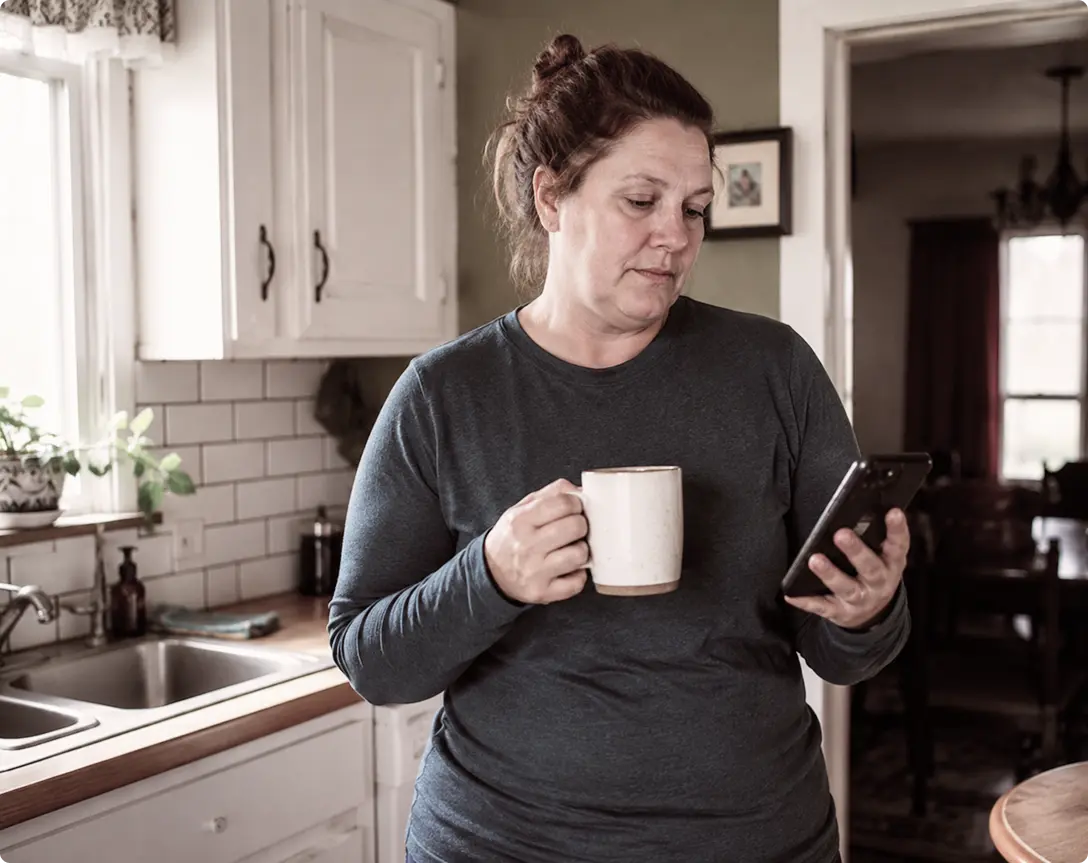
At 48, Sarah Didn’t Recognize Herself Anymore.

It didn’t happen overnight.

It happened so slowly that she almost convinced herself it was normal.

She started waking up exhausted, even after what should have been a full night’s sleep.

Her patience grew shorter.

She couldn’t remember simple words during conversations.

She found herself staring into the pantry, wondering why she’d walked into the kitchen in the first place.

Her favorite jeans no longer fit the way they used to.

Despite eating much the same way she always had, the weight around her waist seemed impossible to lose.

Then came the part that frightened her the most.

She no longer felt like herself.

 She no longer felt like herself.

At first, she blamed stress.

Then work.

Then getting older.

She tried eating healthier.

She joined another gym.

She bought vitamins.

Downloaded wellness apps.

Listened to podcasts.

Read article after article searching for answers.

Yet every new suggestion seemed to contradict the last.

One expert said eat less.

Another said eat more.

One blamed carbohydrates.

Another blamed hormones.

Social media promised miracle supplements.

Friends all had different advice.

The more Sarah searched…

The more confused she became.

One evening, sitting alone at her kitchen table after another frustrating day, she quietly asked herself something millions of women have probably wondered at some point.

“Why does it feel like nobody prepared me for this?”

That single question changed everything.

Because Sarah wasn’t failing.

She wasn’t lazy.

She wasn’t imagining things.

And she certainly wasn’t alone.

The Conversation Millions of Women Never Had

For decades, menopause has often been talked about as though it begins and ends with hot flashes.

But for many women, the experience is far more complex.

It can affect sleep.

Mood.

Memory.

Energy.

Body composition.

Confidence.

Relationships.

And sometimes, even the way a woman sees herself.

Yet despite affecting millions of women every year, many still reach this stage of life feeling completely unprepared for what lies ahead.

Not because they didn’t care.

Because no one ever handed them a roadmap.

The Problem Was Never a Lack of Effort

Sarah wasn’t looking for another miracle.

She wasn’t looking for another trendy diet.

Or another supplement promising impossible results.

She simply wanted someone to explain what was happening to her body…

…in a way that actually made sense.

Because once she understood why everything suddenly felt different…

She finally knew where to begin.

And that changed everything.

Continue Reading →

Discover why so many seemingly unrelated menopause symptoms are actually connected—and why understanding what’s happening inside your body is often the first step toward feeling like yourself again.

What Sarah Learned Changed Everything
For weeks, Sarah believed she had ten different problems.

Poor sleep.

Weight gain.

Brain fog.

Mood swings.

Low energy.

Anxiety.

Night sweats.

She searched for a different solution to each one.

What she didn’t realize was that many of these changes weren’t separate problems at all.

They were connected.

It Wasn’t “Just Getting Older”

Like many women, Sarah assumed she simply needed to try harder.

Exercise more.

Eat less.

Get more sleep.

Manage stress.

But the harder she pushed, the more frustrated she became.

Nothing seemed to work the way it used to.

That’s because her body wasn’t the same body it had been ten or twenty years earlier.

She wasn’t failing.

She was entering one of the biggest hormonal transitions of her life.

Understanding the Missing Piece

For many women, the menopause transition begins years before their final menstrual period.

During this stage—called perimenopause—levels of hormones such as estrogen and progesterone begin to fluctuate.

Those changes can influence far more than reproduction.

They may affect sleep quality.

Energy levels.

Mood.

Body composition.

Memory.

Recovery after exercise.

Even confidence.

That’s why menopause can feel so confusing.

The symptoms don’t always arrive together.

And they don’t affect every woman the same way.

But once Sarah understood that her symptoms were connected…

Everything finally started making sense.

The Biggest Relief Wasn’t Physical

It was emotional.

Sarah stopped asking,

“What’s wrong with me?”

Instead, she started asking,

“What does my body need from me now?”

That small change completely transformed how she approached menopause.

She stopped chasing random advice.

She stopped blaming herself.

She stopped believing she needed another miracle solution.

Instead…

She started looking for something she’d never actually been given.

A clear plan.

The Truth Most Women Never Hear

Here’s what surprised Sarah the most.

There wasn’t a shortage of information about menopause.

There was a shortage of clarity.

One article focused only on nutrition.

Another only on exercise.

Another only on hormones.

Another only on supplements.

Each piece of advice had value.

But no one was showing her how everything fit together.

It was like being handed hundreds of puzzle pieces without ever seeing the picture on the box.

And that’s why so many women continue feeling overwhelmed—not because they aren’t trying, but because they’re trying to navigate one of life’s biggest transitions without a roadmap.

Continue Reading →

So why do so many smart, successful women still feel lost during menopause? The answer has very little to do with motivation—and everything to do with how we’re taught to approach it.

You Don’t Need to Navigate Menopause Alone

For Sarah, the biggest breakthrough wasn’t discovering a miracle solution.

It wasn’t one supplement.

One workout.

One diet.

Or one perfect morning routine.

It was finally understanding that menopause wasn’t something she had to fight.

It was something she could learn to navigate.

Once she stopped chasing random advice and started following a structured plan, everything became simpler.

She wasn’t trying to solve ten different problems anymore.

She was supporting one body going through one important transition.

And with every small step, she felt more confident.

More informed.

More like herself again.

There Isn’t One “Perfect” Way Through Menopause

Every woman’s experience is different.

Some struggle most with sleep.

Others notice changes in mood, energy, memory, or weight.

Some experience only a few symptoms.

Others experience many.

That’s why there isn’t a single tip, diet, or supplement that works for everyone.

What helps most women isn’t another quick fix.

It’s understanding what’s happening to their bodies and having a practical plan they can adapt to their own lives.

Knowledge replaces fear.

Direction replaces uncertainty.

Consistency replaces overwhelm.

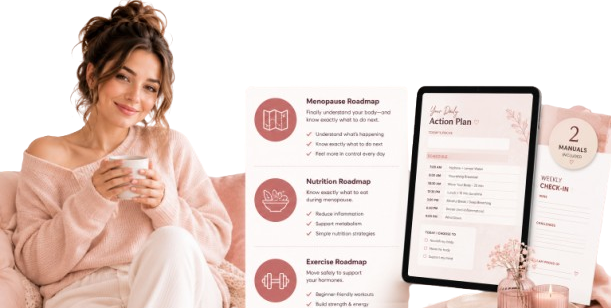
That’s Why We Created The Menopause Roadmap

After hearing from so many women who felt confused, overwhelmed, and unsure where to begin, we wanted to create something different.

Not another collection of random tips.

Not another article you’ll forget tomorrow.

A roadmap.

A step-by-step guide that brings together the science of menopause with practical everyday habits to help you better understand your body and move forward with confidence.

Inside, you’ll learn:

✓ Why menopause affects far more than your reproductive system.

✓ Simple nutrition strategies that support healthy aging.

✓ Practical movement and exercise guidance.

✓ Ways to build better daily habits that fit real life.

✓ How all of these pieces work together—not separately.

Because when everything finally makes sense…

Taking the next step becomes much easier.

Your Next Chapter Starts Here

If you’ve seen yourself in Sarah’s story…

If you’ve ever wondered why your body suddenly feels different…

Or if you’re simply tired of piecing together advice from dozens of different places…

You don’t have to keep guessing.

Take the next step.

Learn what’s happening.

Build healthier habits.

Move forward with confidence.

Explore The Menopause Roadmap

A practical guide designed to help you better understand menopause and create a personalized plan for this next stage of life.

→ Continue to The Menopause Roadmap

Sources & Further Reading

This article was created for educational purposes and reflects guidance from established women’s health organizations. It is not a substitute for personalized medical advice.

For more evidence-based information about menopause, consider these resources:

  • The Menopause Society
  • American College of Obstetricians and Gynecologists (ACOG)
  • National Institute on Aging
  • Office on Women’s Health (U.S. Department of Health & Human Services)

Always speak with your healthcare provider about symptoms, treatment options, and what’s appropriate for your individual health needs.

"I Thought I Was Just Getting Older..."

Until I realized my body was trying to tell me something no one had ever explained.

At 48, Sarah Didn’t Recognize Herself Anymore.

It didn’t happen overnight.

It happened so slowly that she almost convinced herself it was normal.

She started waking up exhausted, even after what should have been a full night’s sleep.

Her patience grew shorter.

She couldn’t remember simple words during conversations.

She found herself staring into the pantry, wondering why she’d walked into the kitchen in the first place.

Her favorite jeans no longer fit the way they used to.

Despite eating much the same way she always had, the weight around her waist seemed impossible to lose.

Then came the part that frightened her the most.

She no longer felt like herself.

At first, she blamed stress.

Then work.

Then getting older.

She tried eating healthier.

She joined another gym.

She bought vitamins.

Downloaded wellness apps.

Listened to podcasts.

Read article after article searching for answers.

Yet every new suggestion seemed to contradict the last.

One expert said eat less.

Another said eat more.

One blamed carbohydrates.

Another blamed hormones.

Social media promised miracle supplements.

Friends all had different advice.

The more Sarah searched…

The more confused she became.

One evening, sitting alone at her kitchen table after another frustrating day, she quietly asked herself something millions of women have probably wondered at some point.

“Why does it feel like nobody prepared me for this?”

That single question changed everything.

Because Sarah wasn’t failing.

She wasn’t lazy.

She wasn’t imagining things.

And she certainly wasn’t alone.

The Conversation Millions of Women Never Had

For decades, menopause has often been talked about as though it begins and ends with hot flashes.

But for many women, the experience is far more complex.

It can affect sleep.

Mood.

Memory.

Energy.

Body composition.

Confidence.

Relationships.

And sometimes, even the way a woman sees herself.

Yet despite affecting millions of women every year, many still reach this stage of life feeling completely unprepared for what lies ahead.

Not because they didn’t care.

Because no one ever handed them a roadmap.

The Problem Was Never a Lack of Effort

Sarah wasn’t looking for another miracle.

She wasn’t looking for another trendy diet.

Or another supplement promising impossible results.

She simply wanted someone to explain what was happening to her body…

…in a way that actually made sense.

Because once she understood why everything suddenly felt different…

She finally knew where to begin.

And that changed everything.

Continue Reading →

Discover why so many seemingly unrelated menopause symptoms are actually connected—and why understanding what’s happening inside your body is often the first step toward feeling like yourself again.

What Sarah Learned Changed Everything

For weeks, Sarah believed she had ten different problems.

Poor sleep.

Weight gain.

Brain fog.

Mood swings.

Low energy.

Anxiety.

Night sweats.

She searched for a different solution to each one.

What she didn’t realize was that many of these changes weren’t separate problems at all.

They were connected.

It Wasn’t “Just Getting Older”

Like many women, Sarah assumed she simply needed to try harder.

Exercise more.

Eat less.

Get more sleep.

Manage stress.

But the harder she pushed, the more frustrated she became.

Nothing seemed to work the way it used to.

That’s because her body wasn’t the same body it had been ten or twenty years earlier.

She wasn’t failing.

She was entering one of the biggest hormonal transitions of her life.

Understanding the Missing Piece

For many women, the menopause transition begins years before their final menstrual period.

During this stage—called perimenopause—levels of hormones such as estrogen and progesterone begin to fluctuate.

Those changes can influence far more than reproduction.

They may affect sleep quality.

Energy levels.

Mood.

Body composition.

Memory.

Recovery after exercise.

Even confidence.

That’s why menopause can feel so confusing.

The symptoms don’t always arrive together.

And they don’t affect every woman the same way.

But once Sarah understood that her symptoms were connected…

Everything finally started making sense.

The Biggest Relief Wasn’t Physical

It was emotional.

Sarah stopped asking,

“What’s wrong with me?”

Instead, she started asking,

“What does my body need from me now?”

That small change completely transformed how she approached menopause.

She stopped chasing random advice.

She stopped blaming herself.

She stopped believing she needed another miracle solution.

Instead…

She started looking for something she’d never actually been given.

A clear plan.

The Truth Most Women Never Hear

Here’s what surprised Sarah the most.

There wasn’t a shortage of information about menopause.

There was a shortage of clarity.

One article focused only on nutrition.

Another only on exercise.

Another only on hormones.

Another only on supplements.

Each piece of advice had value.

But no one was showing her how everything fit together.

It was like being handed hundreds of puzzle pieces without ever seeing the picture on the box.

And that’s why so many women continue feeling overwhelmed—not because they aren’t trying, but because they’re trying to navigate one of life’s biggest transitions without a roadmap.

Continue Reading →

So why do so many smart, successful women still feel lost during menopause? The answer has very little to do with motivation—and everything to do with how we’re taught to approach it.

You Don’t Need to Navigate Menopause Alone

For Sarah, the biggest breakthrough wasn’t discovering a miracle solution.

It wasn’t one supplement.

One workout.

One diet.

Or one perfect morning routine.

It was finally understanding that menopause wasn’t something she had to fight.

It was something she could learn to navigate.

Once she stopped chasing random advice and started following a structured plan, everything became simpler.

She wasn’t trying to solve ten different problems anymore.

She was supporting one body going through one important transition.

And with every small step, she felt more confident.

More informed.

More like herself again.

There Isn’t One “Perfect” Way Through Menopause

Every woman’s experience is different.

Some struggle most with sleep.

Others notice changes in mood, energy, memory, or weight.

Some experience only a few symptoms.

Others experience many.

That’s why there isn’t a single tip, diet, or supplement that works for everyone.

What helps most women isn’t another quick fix.

It’s understanding what’s happening to their bodies and having a practical plan they can adapt to their own lives.

Knowledge replaces fear.

Direction replaces uncertainty.

Consistency replaces overwhelm.

That’s Why We Created The Menopause Roadmap

After hearing from so many women who felt confused, overwhelmed, and unsure where to begin, we wanted to create something different.

Not another collection of random tips.

Not another article you’ll forget tomorrow.

A roadmap.

A step-by-step guide that brings together the science of menopause with practical everyday habits to help you better understand your body and move forward with confidence.

Inside, you’ll learn:

✓ Why menopause affects far more than your reproductive system.

✓ Simple nutrition strategies that support healthy aging.

✓ Practical movement and exercise guidance.

✓ Ways to build better daily habits that fit real life.

✓ How all of these pieces work together—not separately.

Because when everything finally makes sense…

Taking the next step becomes much easier.

Your Next Chapter Starts Here

If you’ve seen yourself in Sarah’s story…

If you’ve ever wondered why your body suddenly feels different…

Or if you’re simply tired of piecing together advice from dozens of different places…

You don’t have to keep guessing.

Take the next step.

Learn what’s happening.

Build healthier habits.

Move forward with confidence.

Explore The Menopause Roadmap

A practical guide designed to help you better understand menopause and create a personalized plan for this next stage of life.

→ Continue to The Menopause Roadmap

Sources & Further Reading

This article was created for educational purposes and reflects guidance from established women’s health organizations. It is not a substitute for personalized medical advice.

For more evidence-based information about menopause, consider these resources:

  • The Menopause Society
  • American College of Obstetricians and Gynecologists (ACOG)
  • National Institute on Aging
  • Office on Women’s Health (U.S. Department of Health & Human Services)

Always speak with your healthcare provider about symptoms, treatment options, and what’s appropriate for your individual health needs.

Scroll to Top